Why You Don't See Most Premium Brands on the AI Shelf Yet
TODD PIECHOWSKI · MAY 26, 2026 · 5 MIN READ
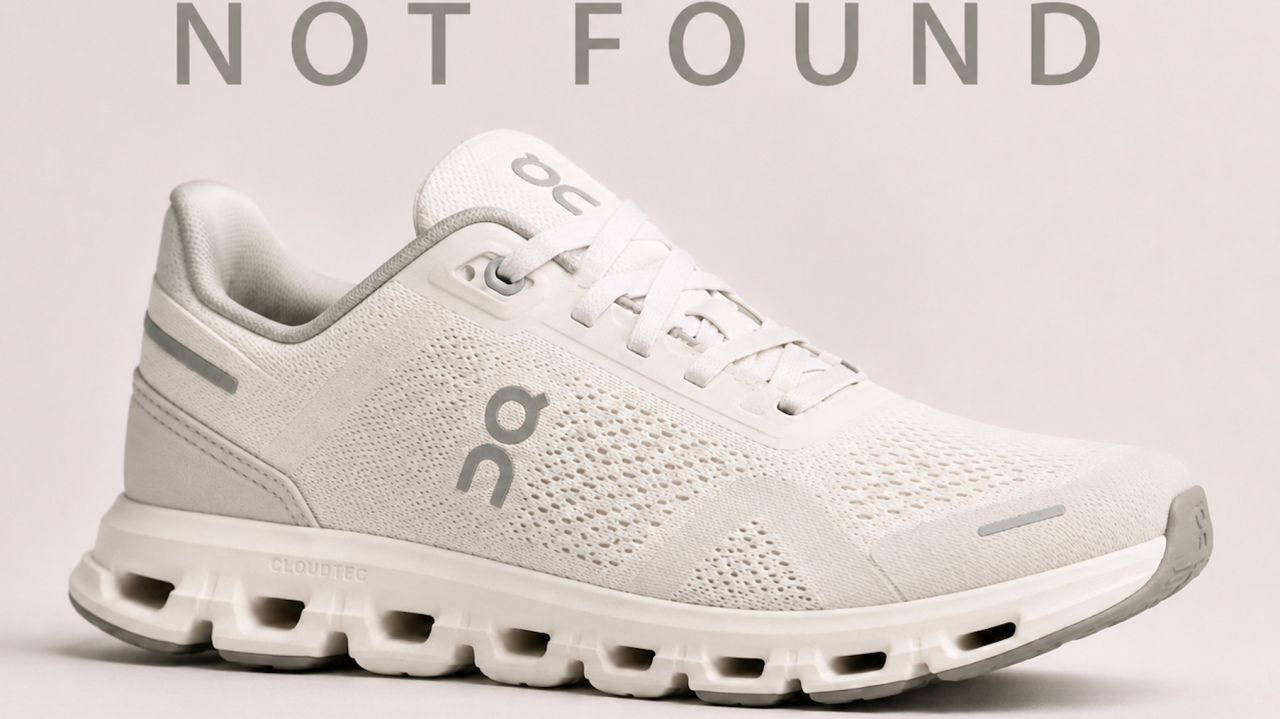
On Running is a 16-year-old Swiss brand that went public in 2021 at a $7 billion valuation. Roger Federer is a co-investor. Their CloudTec sole is one of the most recognizable shoe technologies of the decade.
Open ChatGPT™ and ask it for the best running shoes for marathon training. You’re probably not seeing On. You’ll get Asics. You’ll get Brooks, Nike. Maybe Hoka. Maybe Saucony. You won’t see Topo Athletic. You won’t see Altra. You won’t see half the premium running brands that have spent ten years building category authority.
A little context. The pattern is bigger than On. I could write this same post about almost any premium brand right now. Pick a category — cookware, premium audio, supplements, beauty, men’s basics. Run the same kind of query.
The brands you’d expect to dominate are mostly missing from the answer. Not getting outranked. Just not in the room.
This is what early looks like
The shelf is still mostly empty. Shopify reported on the May 5 earnings call — Harley Finkelstein, on the record, to analysts — that AI-driven traffic to Shopify stores is up 8x year over year. Orders from AI searches up nearly 13x. Public company telling Wall Street. A couple weeks earlier, Adobe ran the same exercise across a trillion retail visits. AI traffic to US retailers up 393% in Q1. The bigger number is the conversion one. In March 2026, AI-sourced visitors converted 42% better than the rest of your traffic. In March 2025 they converted 38% worse. Full reversal in twelve months. ChatGPT™ is at 900 million weekly users right now. Last February it was 400 million. Adobe’s holiday data had AI shopping traffic up 693% year over year.
So why is the shelf still mostly empty?
Mostly because CMOs at most brands are reading the same GA4 dashboard and it says AI is 1% of revenue. Maybe 2%. Their CFO won’t fund a channel at 1%.
So the decision keeps pushing. The dashboard works fine. It calls AI traffic Direct. Loamly did the math in February across 446,000 visits. 70.6% of AI-sourced traffic shows up in GA4 as Direct. The referrer header gets stripped on the way out of ChatGPT™. The shopper googles your brand after the AI recommends you. The order shows up with no source.
So the budget conversation at most brands looks like this: The dashboard says AI is 1% of revenue. The CFO uses that to set 2026 budget. The marketing team pushes the AI investment to next year. The shelf stays empty for another quarter. Most CEOs and CMOs at premium brands have never run the query themselves. They’ve never seen what their own brand looks like inside ChatGPT™, Perplexity, Claude, or Gemini for the queries their customers are actually running. The shelf is empty because almost nobody is reading the right report. The brands that figure it out first don’t have to outbid anyone for citation share. They just have to show up.
The Amazon parallel
Not many years ago Amazon was still being treated as a side channel by premium DTC brands. The brands that figured out Amazon early built moats that competitors are still trying to climb today. The AI shelf is the same kind of window. Smaller right now. Closing faster. Don’t get it wrong. Showing up on the AI shelf takes real work. Catalog audits, content, prompt testing, infrastructure. Brands moving now are running actual programs that show up in their KPIs. But the cost-to-citation-share ratio is the lowest it will ever be.
Right now a brand can move from invisible to top-3 with focused work in a short amount of time. By Q4 the entry cost will have climbed. By 2028 it will look like Amazon does today: expensive, contested, and table stakes.